Other Products
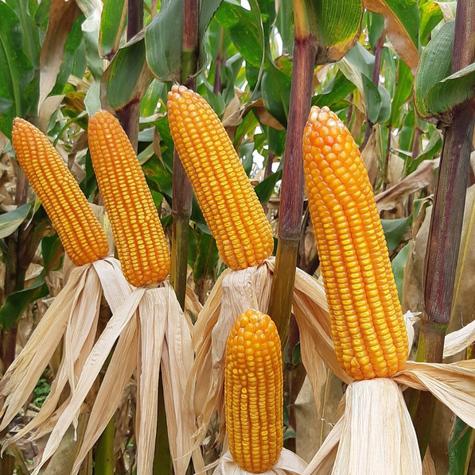
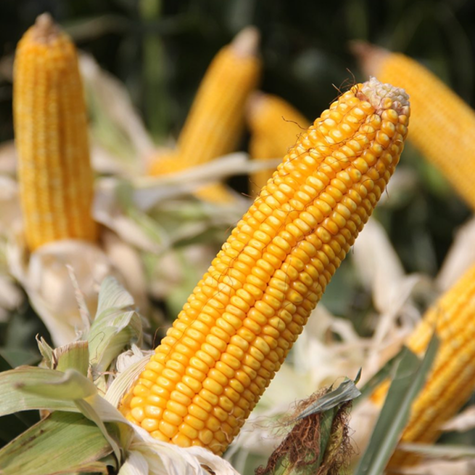
Maize
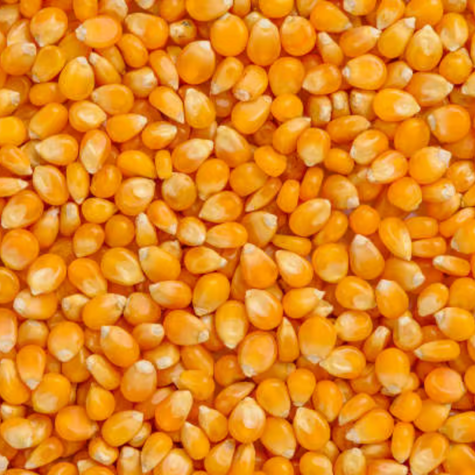
Maize, also known as corn (Zea mays), is a major cereal crop grown worldwide for food, fodder, and industrial uses. It is rich in carbohydrates and provides a significant source of energy in many diets, especially in the Americas, Africa, and parts of Asia. Maize can be consumed in various forms—boiled, roasted, ground into flour, or processed into products like cornflakes, popcorn, and corn oil. It is also a key ingredient in animal feed and biofuel production. Maize grows well in warm climates and is adaptable to a variety of soil types, making it an important crop in global agriculture and food security.
Silage
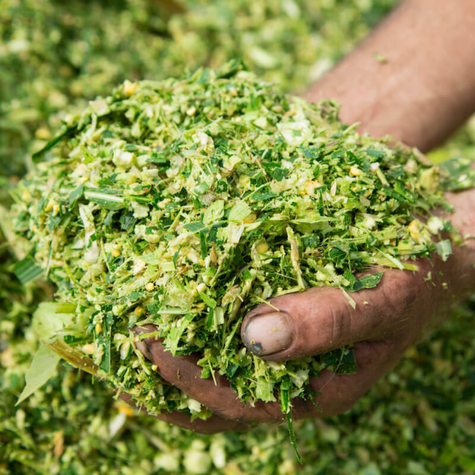
Silage is a type of preserved livestock feed made by fermenting green forage crops like maize, sorghum, or grass under anaerobic (oxygen-free) conditions. It is stored in silos, pits, or wrapped in plastic to retain moisture and nutrients. The fermentation process helps preserve the feed for long periods, especially during seasons when fresh fodder is not available. Silage is rich in energy and nutrients, making it an excellent food source for cattle, especially dairy and beef animals. It helps improve milk production and animal health and is an important part of modern livestock farming systems.
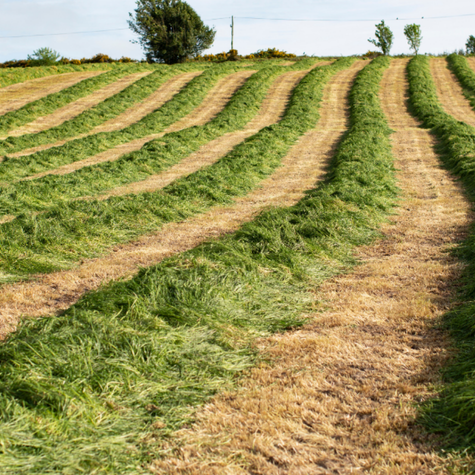
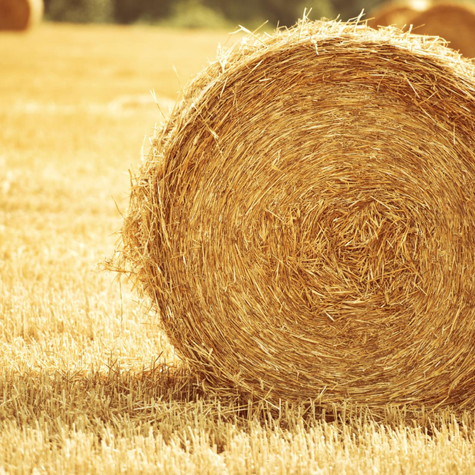
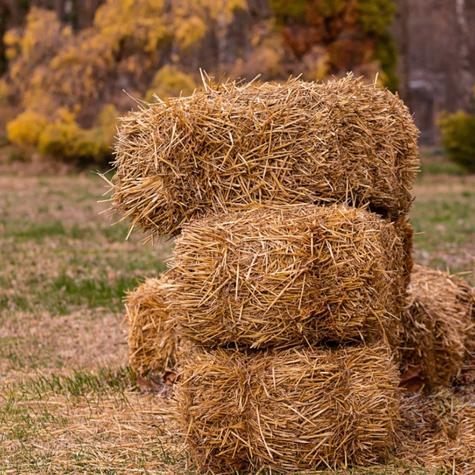
Biomas Bales
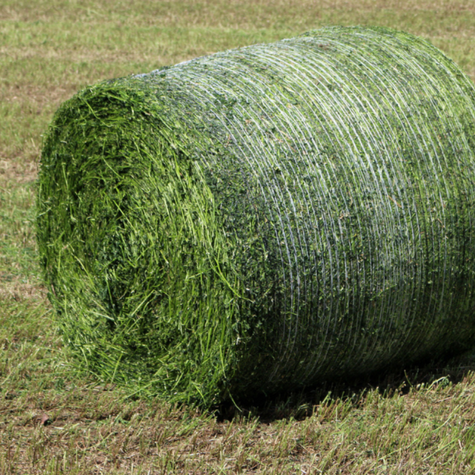
Biomass bales are compacted bundles of organic material such as crop residues (like wheat straw, rice husk, or sugarcane trash), grasses, or other plant matter that are collected, compressed, and tied for easy storage, transport, and use. These bales are a key source of renewable energy and are often used in biomass power plants, boilers, or as raw material for biofuel production. By utilizing agricultural waste efficiently, biomass bales help reduce environmental pollution, support sustainable farming, and provide an eco-friendly alternative to fossil fuels. They also offer farmers an additional source of income by selling crop residues.

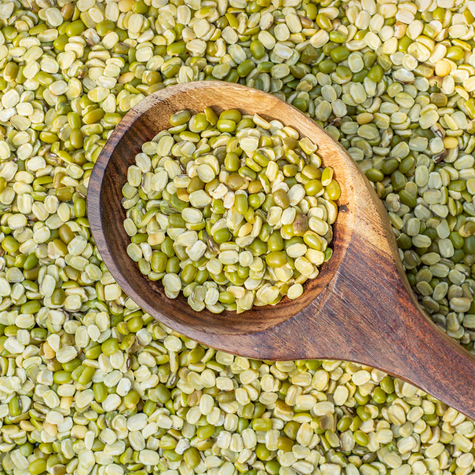
Moong Dal
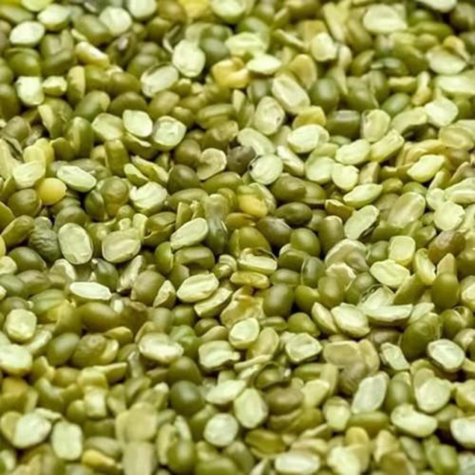
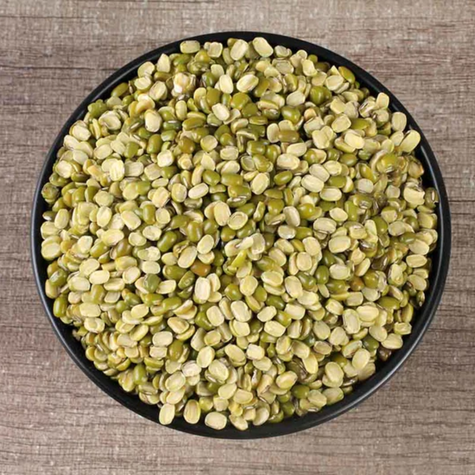
Moong dal, also known as split yellow gram, is made from dehusked and split mung beans (Vigna radiata). It is a highly nutritious pulse, rich in protein, dietary fiber, and essential vitamins and minerals like folate, potassium, and magnesium. Moong dal is light, easy to digest, and commonly used in Indian cooking for dishes like dal, khichdi, and soups. Because of its mild flavor and quick cooking time, it is often recommended in diets for children, the elderly, and those recovering from illness. Moong dal also plays a role in sustainable agriculture, as the plant helps enrich soil through nitrogen fixation.
Amla(emblica oficinalis)
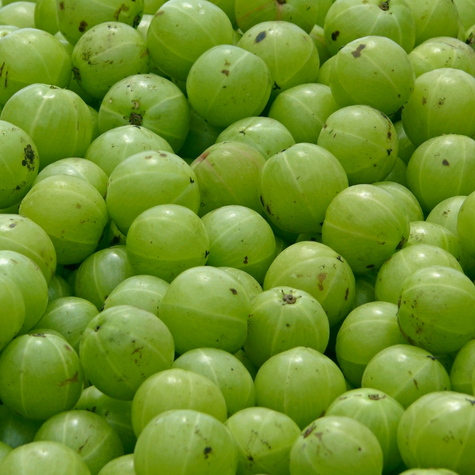
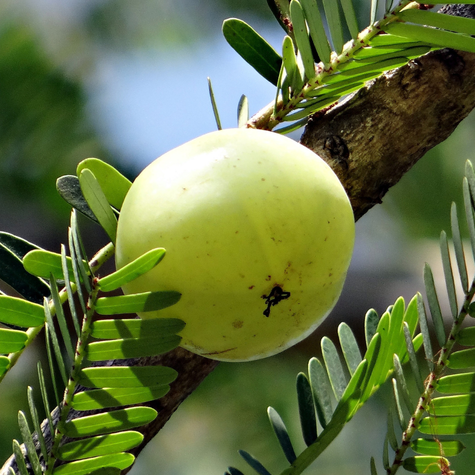
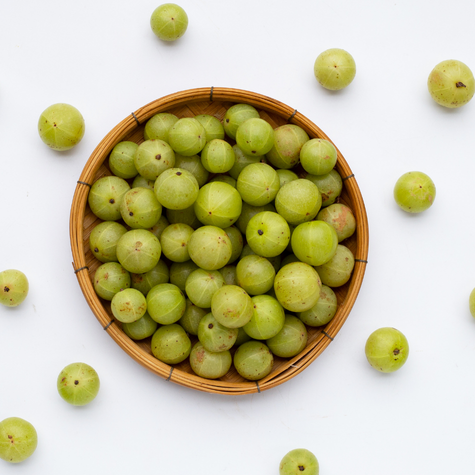
Amla (Emblica officinalis), also known as Indian gooseberry, is a highly revered fruit in traditional Indian medicine and nutrition. Rich in vitamin C, antioxidants, and essential minerals, Amla is known for its powerful immune-boosting, anti-inflammatory, and rejuvenating properties. It supports digestive health, enhances skin and hair quality, and is widely used in Ayurvedic formulations for promoting overall well-being. The fruit is small, green, and sour-tasting, typically consumed fresh, dried, powdered, or as an ingredient in health supplements, juices, and herbal remedies. Cultivated widely across India, Amla thrives in dry, deciduous climates and is a key agricultural and medicinal crop with growing global demand.
Harad (Terminalia chebula)
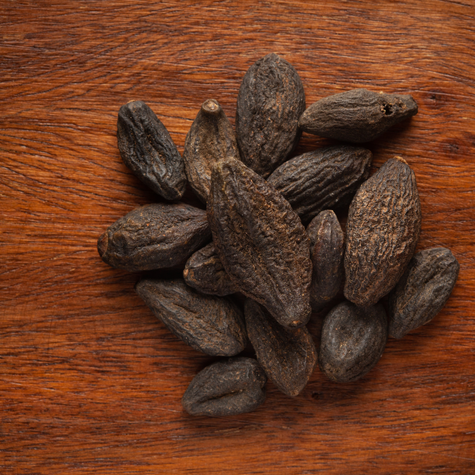
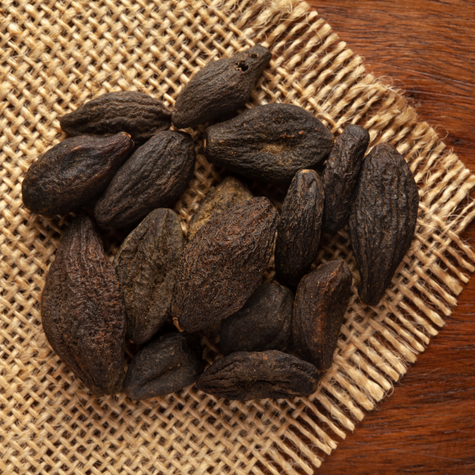
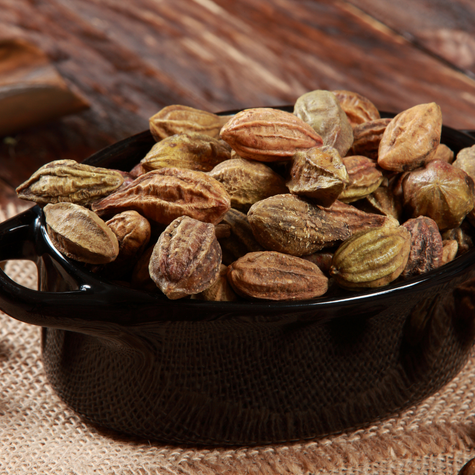
Harad (Terminalia chebula) and Baheda (Terminalia bellirica) are two powerful medicinal fruits widely used in traditional Ayurvedic medicine. Harad, also known as “Haritaki,” is renowned for its detoxifying, digestive, and rejuvenating properties. It supports bowel health, improves immunity, and is considered a natural remedy for various digestive disorders. Baheda, known as “Bibhitaki,” is valued for its astringent and anti-inflammatory properties, often used to treat respiratory conditions, improve vision, and support liver function. Together with Amla, they form the famous Ayurvedic formulation Triphala, known for its holistic benefits in detoxification, digestion, and overall health. Both fruits are cultivated across India and are gaining global recognition for their natural healing properties.
Ashwagandha(withenia somnifera)
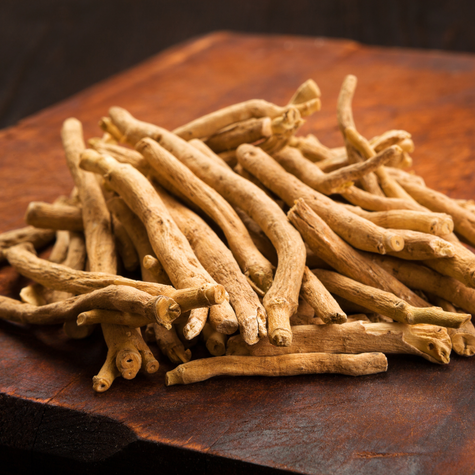
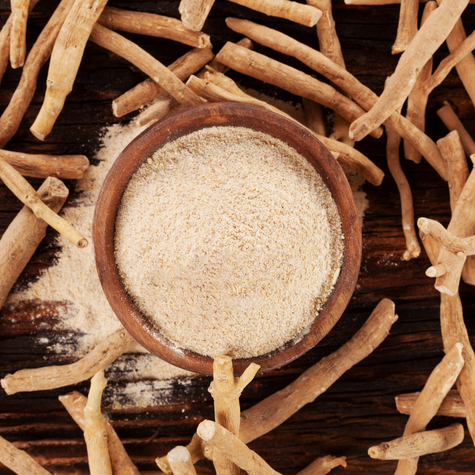
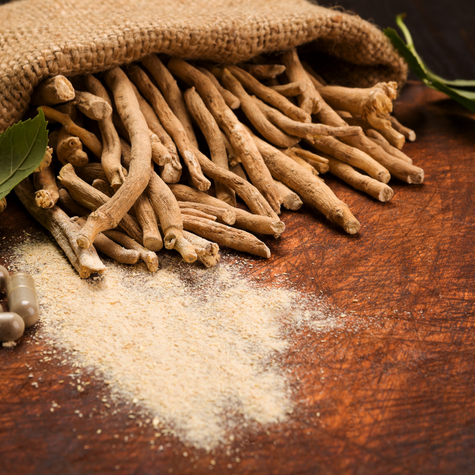
Ashwagandha (Withania somnifera), also known as Indian ginseng or winter cherry, is a powerful adaptogenic herb widely used in Ayurvedic medicine for centuries. It is renowned for its ability to help the body manage stress, boost energy levels, and support overall mental and physical well-being. Ashwagandha is also known to enhance stamina, improve sleep quality, support cognitive function, and strengthen the immune system. The root of the plant is most commonly used in powders, capsules, and herbal formulations. Grown primarily in arid regions of India, Ashwagandha is increasingly in demand worldwide as a natural supplement for stress relief and vitality.
coleus(coleus forcecolis)
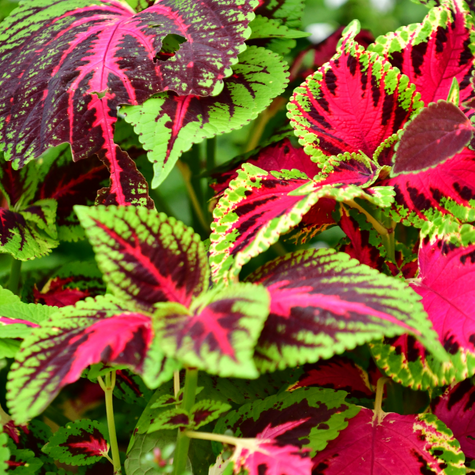
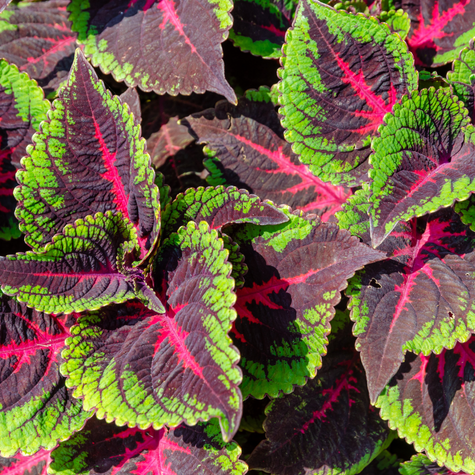
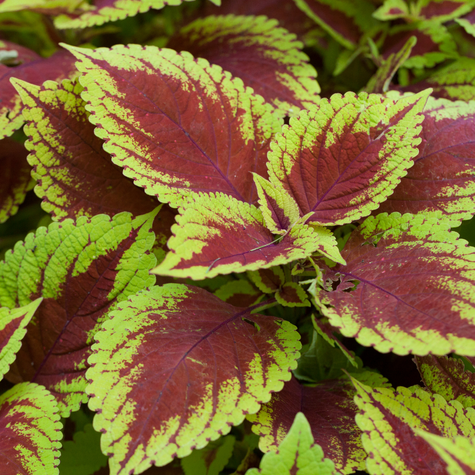
Coleus (Coleus forskohlii) is a medicinal herb native to India and a member of the mint family. It is best known for its active compound forskolin, which has been traditionally used in Ayurvedic medicine to support heart health, respiratory function, and metabolism. Forskolin is believed to aid in weight management by stimulating the breakdown of stored fats and promoting lean body mass. Additionally, Coleus may help regulate blood pressure, improve circulation, and support thyroid function. The root of the plant is the primary medicinal part, often processed into extracts and supplements. Due to its natural therapeutic properties, Coleus forskohlii is gaining popularity in the global nutraceutical and wellness markets.